
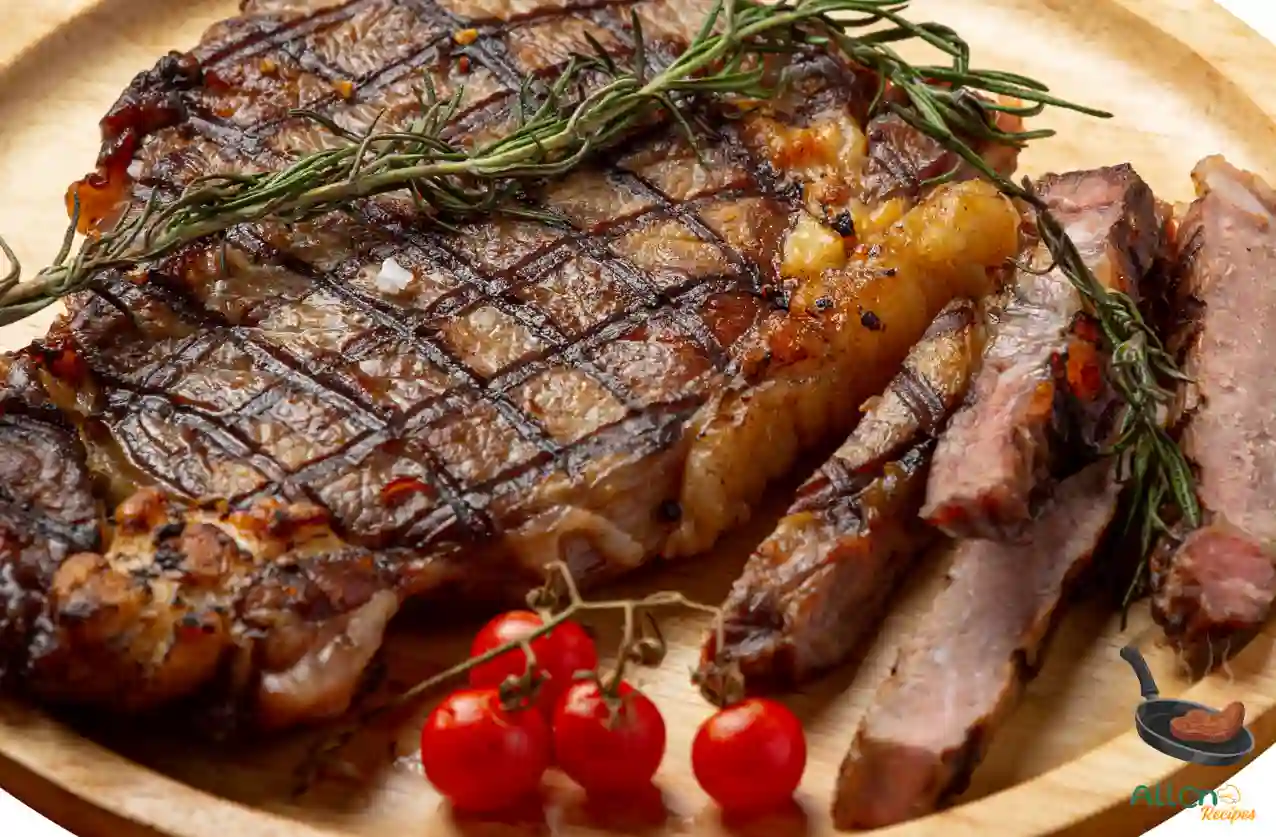
Some folks order medium rare because it sounds sophisticated. Others because every cooking show on the planet insists it’s the “correct” doneness. But the truth is simpler than that: medium rare is where steak tastes the most like… itself. Juicy, warm, rosy, balanced. Not bloody, not gray , just right.
And when you cook it on cast iron? The crust hits this magical contrast: crisp outside, tender center. It’s like the steak is wearing its best suit but still relaxed underneath.
But here’s the kicker , medium rare is weirdly easy to mess up. Thirty seconds too long, and you drift into medium. One distracted phone scroll and you’re in well-done territory wondering where you went wrong.
So this guide is all precision. Real times. Real temperatures. Real-world cues you can trust even if your stove has a mind of its own.
Let’s get your steak exactly where it should be: 130–135°F in the center, hot enough to melt fat but cool enough to keep the texture soft and buttery.
Exact Times for Medium Rare (By Thickness)
These times assume:
- A properly preheated cast iron skillet
- Medium-high heat
- A steak between 1–1½ inches thick
- A quick butter baste at the end
Here’s your medium rare cast iron timing table:
| Thickness | Cast Iron Sear Time | Optional Oven Finish | Final Temperature |
|---|---|---|---|
| 1 inch | 2 min per side | None | 130–135°F |
| 1¼ inches | 2 min per side | 2–3 min at 400°F | 130–135°F |
| 1½ inches | 2½ min per side | 3–4 min at 400°F | 130–135°F |
| 2 inches (thick cut) | Reverse sear recommended | 5–7 min oven pre-sear | 130–135°F |
A small note here (don’t skip this):
Pull the steak at 125–128°F because it rises 5–7°F as it rests.
If you wait for it to hit 135°F in the pan, congratulations , you’re now in medium territory. Happens to everyone once or twice.
How to Hit Medium Rare Every Single Time
Step 1: Preheat Properly
Cast iron loves patience. Give it 5 minutes on medium-high until it’s shimmering. A drop of water should dance and disappear , not sit, not explode.
Step 2: Sear Without Fear
Lay the steak down and don’t touch it for 2 minutes. Flip, then repeat.
This gives you the crust. The butter does not create crust , the initial sear does.
Step 3: Butter Baste
Add 2 tbsp butter + smashed garlic + thyme. Tilt the pan and spoon over the steak continuously for 30–45 seconds.
This is where the aroma turns into memory.
Step 4: Internal Temp Check
Slide the thermometer into the side of the steak (never top-down).
You’re aiming for 125–128°F before resting.
Step 5: Rest
5–8 minutes. Yes, really. This is where medium rare finishes itself.
Reverse Sear Option (For Thick or Nervous Cooks)
If you fear overcooking , and trust me, I’ve coached dozens of home cooks through this , the reverse sear is your best friend. It’s slow, gentle, and almost impossible to botch.
How to do it:
- Set your oven to 275°F.
- Cook the steak on a wire rack until it hits 110°F internal.
- Sear in blazing hot cast iron for 1 minute per side with butter.
- Rest to 130–135°F.
The result?
Even pink from edge to center, crust like caramel glass. No gray banding. No panic.
Avoiding Overcooking , The Sneaky Mistakes
| Mistake | Why It Happens | Fix |
| Steak jumps to medium | Pulled too late | Remove at 125°F, not 130°F |
| Pale crust | Pan not preheated enough | Heat skillet 5 minutes minimum |
| Interior gray ring | Too much heat too fast | Lower heat or use oven finish |
| Dry edges | Butter added too late or too little | Baste earlier and more often |
| Goes from rare to medium in one flip | Steak was too cold | 20-minute room temp rest |
Tiny changes make huge differences. Medium rare is unforgiving , but unbelievably rewarding.
Alfredo’s Personal Tips for the Perfect Medium Rare
- Use tongs, not forks. Don’t puncture the meat; treat it gently.
- Flip every 30–45 seconds for a more even cook (yes, more flips = better).
- Let the steak rest on a wire rack, not a plate , a plate traps steam and softens the crust.
- Salt earlier than you think. Salt 1 hour ahead or even overnight.
- Trust your thermometer. Your eyes will lie. The pan will lie. The thermometer won’t.
FAQ , What People Always Ask About Medium Rare
How do I know it’s medium rare without a thermometer?
Gently press the center. Medium rare feels like touching the base of your thumb when you relax your hand , soft, warm, with a little bounce. Not perfect science, but close.
Is it safe to eat medium rare steak?
Absolutely. Steak cooked to 130–135°F with a proper sear is safe. Surface bacteria die during the sear.
Why does my steak go from perfect to overcooked so fast?
Because cast iron holds heat like a furnace. Pull earlier. Rest longer.
Should I finish in the oven every time?
For 1-inch steaks: not needed.
For 1¼” or thicker: highly recommended.
For 2 inches: use reverse sear.
Why is my medium rare turning gray inside?
Too much direct heat too quickly. Lower the stove or shorten the sear.
Conclusion , The Sweet Spot of Steak
Medium rare isn’t magic , it’s timing, temperature, and a bit of nerve. Once you learn to trust the sound of the sear and the gentle rise of the thermometer, you stop cooking in fear and start cooking with intention.
And the reward?
A steak that’s warm, rosy, tender, and proud of itself. The kind of steak that makes someone at the table say, “Wait… you made this?”
You’ll smile and shrug.
Because yeah , you did.

You know how some people chase the perfect sourdough loaf or the fluffiest pancakes? For me, it’s all about steak doneness. That perfect moment when the center is blushing pink, the juices are sealed in, and the crust has that beautiful, smoky edge? That’s my happy place.
It started with frustration, honestly. I ruined a lot of good cuts back in the day, undercooked, overcooked, chewy disasters. One night, I served my date a “medium rare” Delmonico that was practically raw in the middle; she still brings it up.
So I dug in. Learned how temperature works. Got a thermometer. Learned to trust my fingers, my eyes, and the timing. I turned my kitchen into a bit of a steak lab, and yeah, I dragged a few friends along as taste testers.
Now, I help people hit that sweet spot, whether you like your steak rare, medium, or (hey, no judgment) well-done. I’ll show you how to cook it with confidence, flavor, and just the right balance of rich and healthy.
On this blog, you’ll find guides on doneness, smart tips on choosing cuts, my favorite spice blends, and ways to keep things flavorful without drowning everything in butter (though sometimes… it’s worth it).
I’m not here to gatekeep steak. I’m here to help you nail it, every time.
Let’s fire it up.
- Pan Seared Steak Recipe: Perfect Crust, Precise Doneness – December 20, 2025
- Why Medium Rare Matters More Than You Think – November 17, 2025
- How to Make Steak in Cast Iron – November 8, 2025
Leave a Reply