

This whole thing started because I couldn’t get one meal out of my head: a Delmonico steak I had years ago at a tiny, no-name spot. It was buttery, tender, ridiculously good. And I remember thinking, “Why can’t I make this at home?”
So, I tried. And failed. And tried again. Eventually, I figured out how to recreate that magic, not just for myself, but for my friends (who now ask if I do catering, I don’t, by the way).
That’s when I realized: it doesn’t take a culinary degree to make incredible meals. It just takes a little curiosity, a few smart swaps, and a deep love for garlic.
On my blog, you’ll find:
🥩 Simple, steak-forward recipes
🌿 Healthier takes that don’t taste “healthy”
🍷 Sides and sauces that make any dinner feel special
🔥 Tips to master the perfect sear (no fancy pan required)
If you love real food, bold flavor, and meals that feel like a treat without the food coma, you’re going to feel right at home here.
Pull up a chair. Let’s cook something amazing.
Eliza _ Creator of AllOnRecipes.com
- The Meatloaf Temperature That Actually Works – September 23, 2026
- How Long to Cook Meatloaf at 350°F (Perfect Every Time) – January 29, 2026
- Meatloaf Cooking Time Chart (350°F) – January 29, 2026
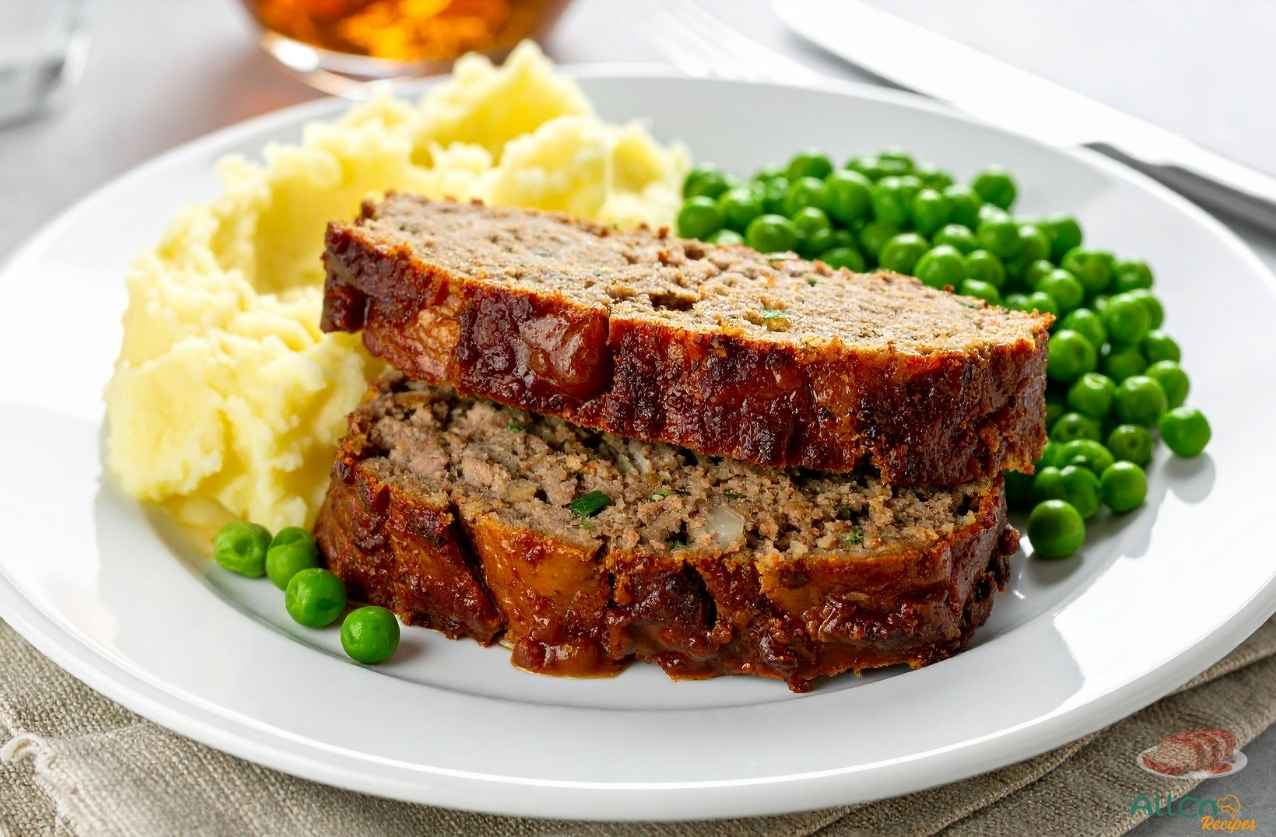
If you’re aiming for a meatloaf that feels rich and satisfying . like something you’d proudly serve at a classic steakhouse . but still works for a regular weeknight, the temperature question matters more than most people realize. How long to cook meatloaf at 350°F is one of those details that quietly decides whether dinner is juicy and comforting… or dry and disappointing.
At 350°F, meatloaf cooks evenly, develops flavor without burning, and gives you room for control. The trick isn’t guessing . it’s knowing the right timing and when to stop relying on the clock alone. Let’s get straight to what actually works.
How Long to Cook Meatloaf at 350°F (Exact Times That Work)
Here’s the clear answer most people are looking for:
- 1 to 1¼ pounds meatloaf: 55–65 minutes at 350°F
- 1½ pounds meatloaf: 70–75 minutes
- 2 pounds meatloaf: 80–90 minutes
This timing assumes a classic loaf shape (not overly thick) made with ground beef or a beef blend. If you’ve ever pulled a meatloaf early because the top looked done . only to find a soft center . you’ve already learned the hard way that appearance means very little here.
The real goal isn’t time. It’s internal temperature. you can learn more details from this Guide.
The One Number That Matters
Meatloaf is done when the center reaches 160°F (71°C). That’s the sweet spot where it’s fully cooked, safe, and still juicy. Think of it the same way you would a good steak: don’t overdo it just because you’re nervous.
A quick-read thermometer slid into the thickest part tells you more than any timer ever will.
Why 350°F Is the Best Temperature for Meatloaf
You’ll see recipes calling for everything from 325°F to 400°F, but 350°F hits the balance most home cooks actually need.
At this temperature:
- The meat cooks evenly, not just from the outside in
- Fat renders slowly, keeping the loaf moist
- Glazes caramelize without burning
- You get a tender interior instead of a tight, crumbly texture
Higher temperatures rush the outside and dry it out. Lower temperatures stretch cooking time and often lead to a pale, less flavorful loaf. If you’re going for that comforting, steakhouse-style richness . without heaviness . 350°F is where it happens.
Meatloaf Size, Shape, and Pan (Why Your Results May Vary)
Here’s where most timing confusion comes from.
Thickness Matters More Than Weight
A short, wide meatloaf cooks faster than a tall, compact one . even if they weigh the same. If your loaf is packed tightly into a small pan, expect to add 10–15 minutes.
Pan vs Free-Form
- Loaf pan: Cooks slower, holds moisture, but traps grease
- Free-form on a baking sheet: Cooks faster, better browning, lighter feel
If you’re trying to keep things indulgent but not heavy, free-form meatloaf on parchment is surprisingly effective.
Glass vs Metal
Glass pans cook more slowly. If you’re using one, add about 5–10 extra minutes and rely on temperature, not the clock.
Should You Cover Meatloaf While Baking?
Short answer: No . at least not the whole time.
Covering meatloaf traps steam, which can lead to a soft, gray surface. That’s fine for moisture, but not great for flavor. A better approach:
- Bake uncovered for the first 40–45 minutes
- Add glaze
- Continue uncovered until it reaches 160°F
If your meatloaf is browning too quickly, loosely tent with foil for the last 10–15 minutes . don’t seal it tightly.
How to Tell When Meatloaf Is Done (Without Ruining It)
Avoid cutting into the loaf to “check.” That’s how juices escape.
Instead:
- Use a thermometer in the center
- Look for juices running clear, not pink
- The loaf should feel firm but not hard when gently pressed
Once it hits 160°F, pull it . even if the timer says it could go longer.
Resting Time: The Step People Skip (and Regret)
Let the meatloaf rest 10 minutes before slicing.
This isn’t optional. Resting allows juices to redistribute, giving you clean slices and better texture. Cut too soon, and the loaf falls apart no matter how well it cooked.
If you’re serving guests, this is actually a gift . it gives you a calm window to plate sides or pour drinks.
Quick FAQ: How Long to Cook Meatloaf at 350°F?
Can I cook meatloaf faster at a higher temperature?
You can, but you’ll trade juiciness for speed. 350°F gives better results almost every time.
Does turkey or chicken meatloaf take longer?
No . leaner meats often cook slightly faster, but they dry out more easily. Start checking at 50–55 minutes for a 1-pound loaf.
What if my meatloaf isn’t done after the recommended time?
Keep baking in 5–10 minute increments until it reaches 160°F. Ovens vary more than recipes admit.
Final Thoughts
Cooking meatloaf at 350°F isn’t about playing it safe . it’s about control. When you know the timing, watch the temperature, and respect the resting time, you get a dish that feels comforting and indulgent without being heavy or overcooked. The kind of meal that doesn’t just fill plates . it makes people go back for seconds.
If you’re building toward a truly great classic meatloaf recipe, this timing is the foundation everything else depends on.
Leave a Reply